

Burger & Frights
Siren Head Horror
Surze
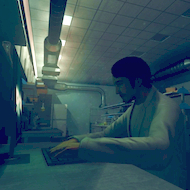
Don’t Look Back
Skinface Unblocked
Hospital Aggression

Case: Smile


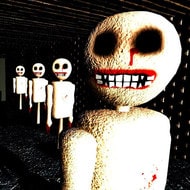

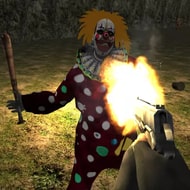


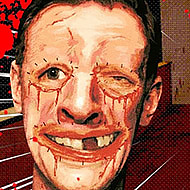
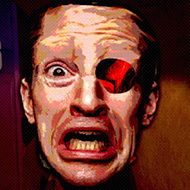
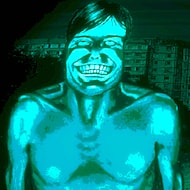


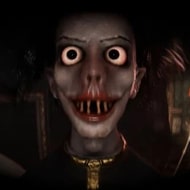

Don’t Look Back takes players deep beneath the city, into an abandoned subway system where fear feels alive. Dark tunnels, echoing silence, and the sense that something is watching create constant psychological pressure. This game does not rely on comfort or safety, instead forcing you to confront unsettling environments and your own instincts.
The core of Don’t Look Back is built around fear manipulation. You step into the role of a test subject whose psyche and nervous system are deliberately pushed beyond their limits. Scientists conduct cruel experiments, triggering nightmares, paranoia, and overwhelming dread. The abandoned subway becomes more than a location; it reflects the mental state of the subject as fear grows stronger with every step.
Key atmosphere elements include:
Don’t Look Back turns fear into an active obstacle. The game challenges you to move forward even when instinct tells you to stop.
The narrative of Don’t Look Back unfolds through a disturbing experiment discovered on an old VHS tape labeled 1010. A secret laboratory uncovers footage of a past test in which a subject was sent into a long-forgotten subway system. As you progress, you relive every moment of that experiment, experiencing the cruelty and psychological pressure inflicted by the scientists.
Story progression focuses on:
Don’t Look Back does not hand out clear explanations. Instead, the game encourages players to piece together events through environment and experience, making the story feel personal and unsettling.
Unpredictability defines Don’t Look Back. The game reacts to player behavior, making each attempt tense and unreliable. Trying to outthink the experience rarely works, as the system anticipates hesitation and fear-driven choices.
Don’t Look Back is intentionally difficult, especially on the first run. Numerous deaths are part of the design, reinforcing the feeling of being trapped in a cruel experiment. The game pushes players to the limit, asking whether fear can truly be overcome or if it will always win in the end.
